🦋 Chulalongkorn University Museum of Natural History
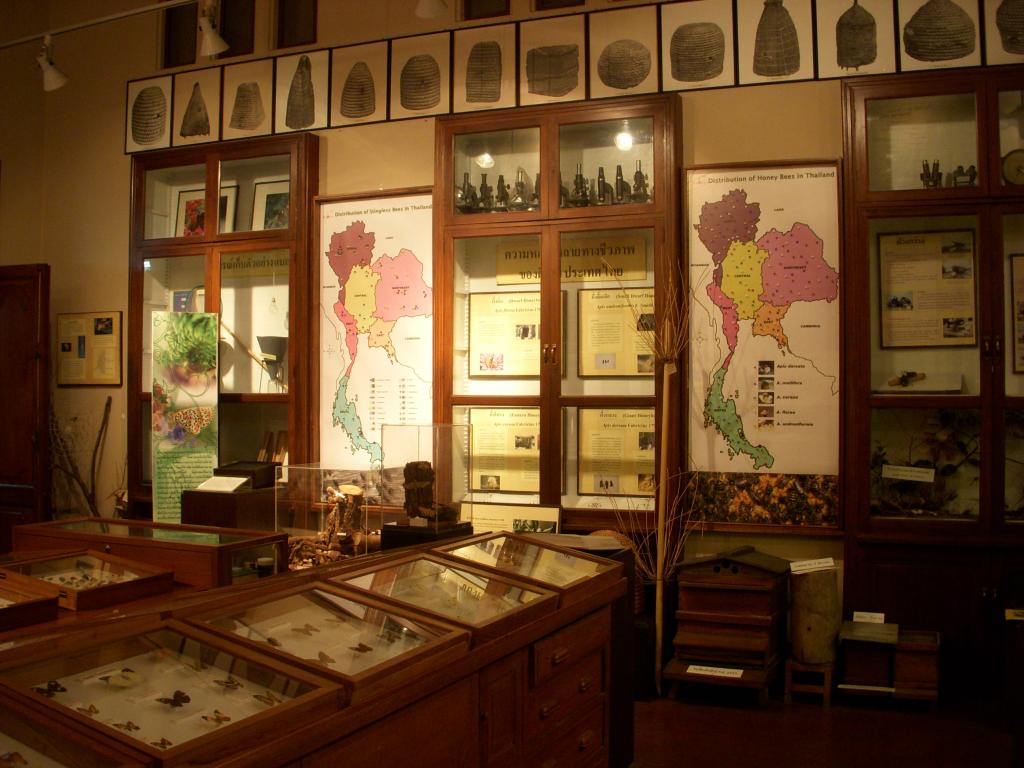
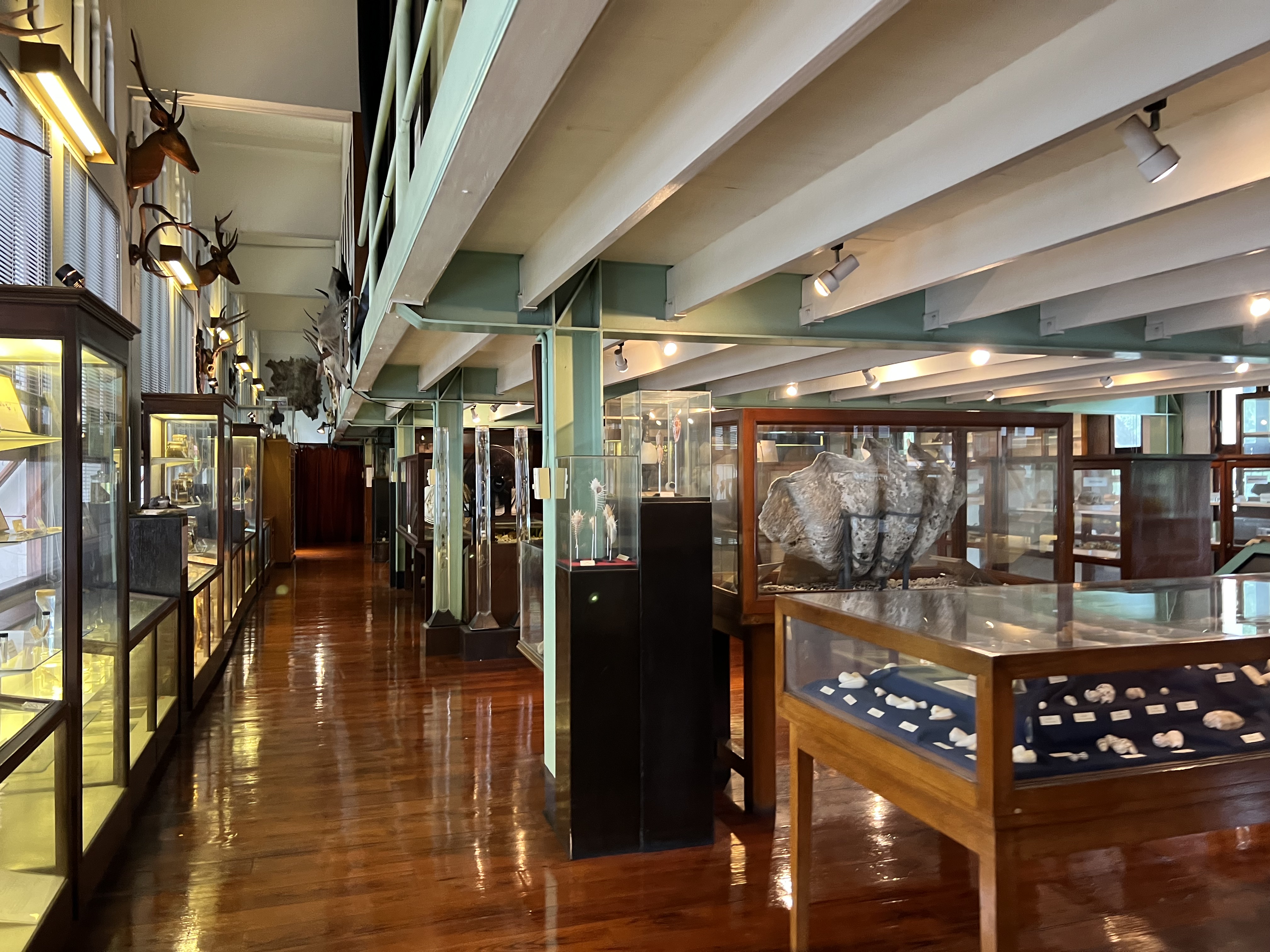
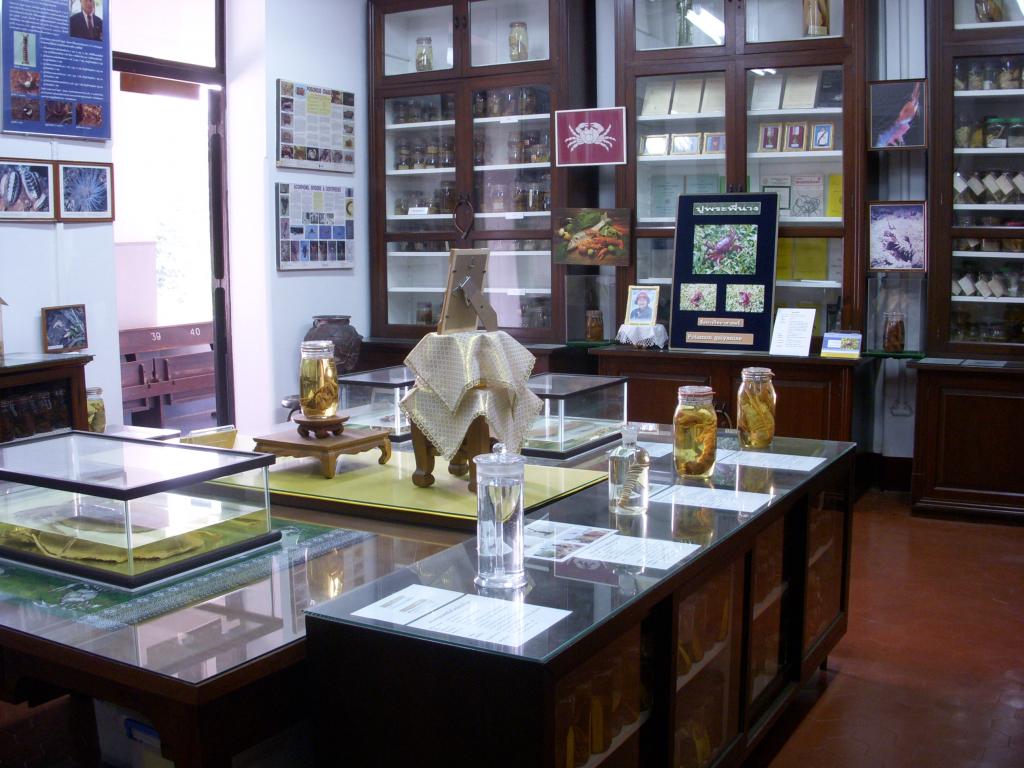
Located on the second floor of the Biology I Building, the Museum of Natural History is one of Thailand’s oldest and most extensive biological museums. It houses a diverse range of preserved animal specimens, including insects, mollusks, reptiles, amphibians, birds, and mammals, many of which are native to Southeast Asia. The museum also features fossil collections and showcases Thailand's rich natural heritage. With detailed labels and curated displays, the museum supports academic research, science education, and public outreach, serving both students and nature enthusiasts.
🌱 Living Plant Museum
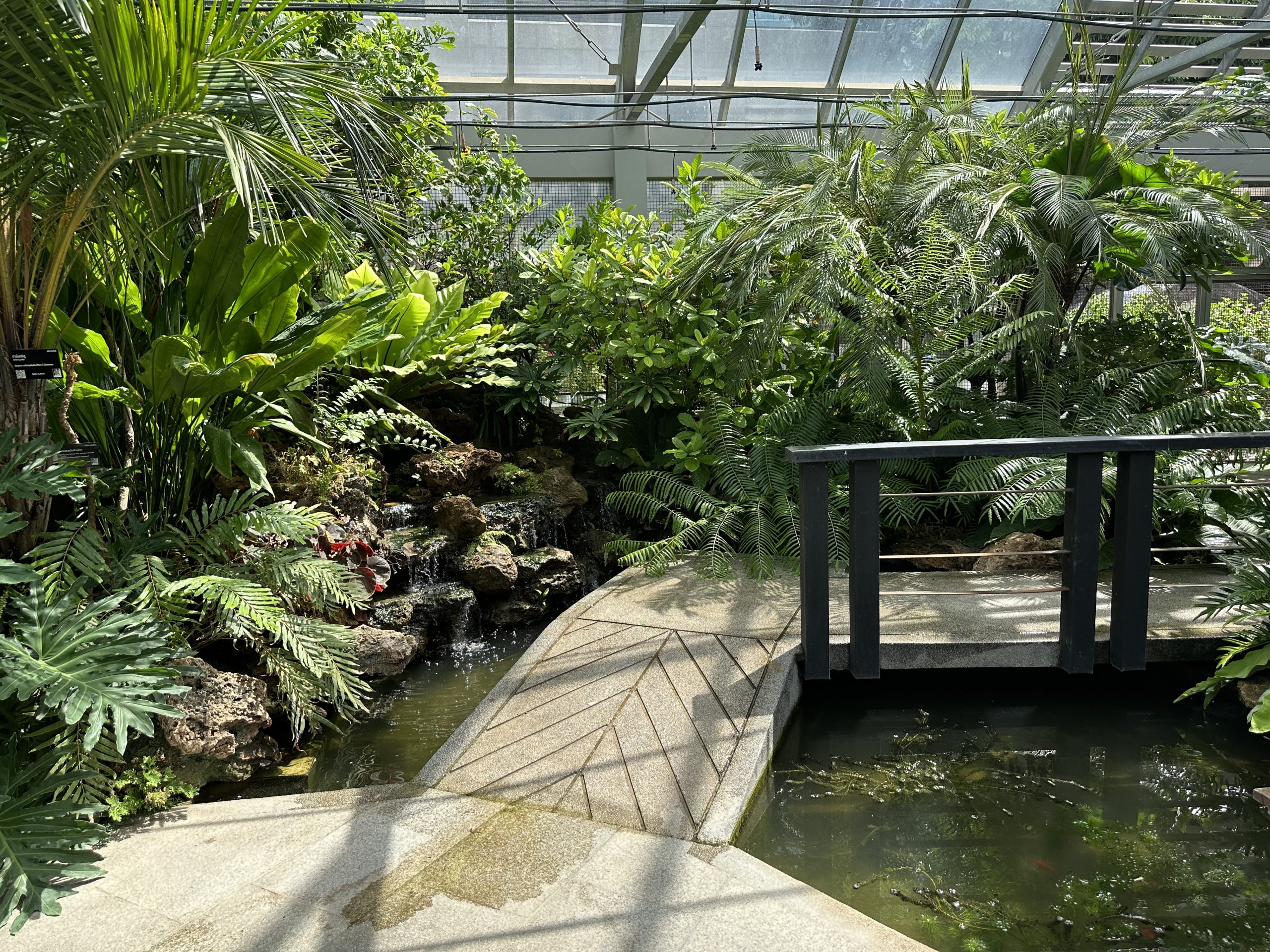
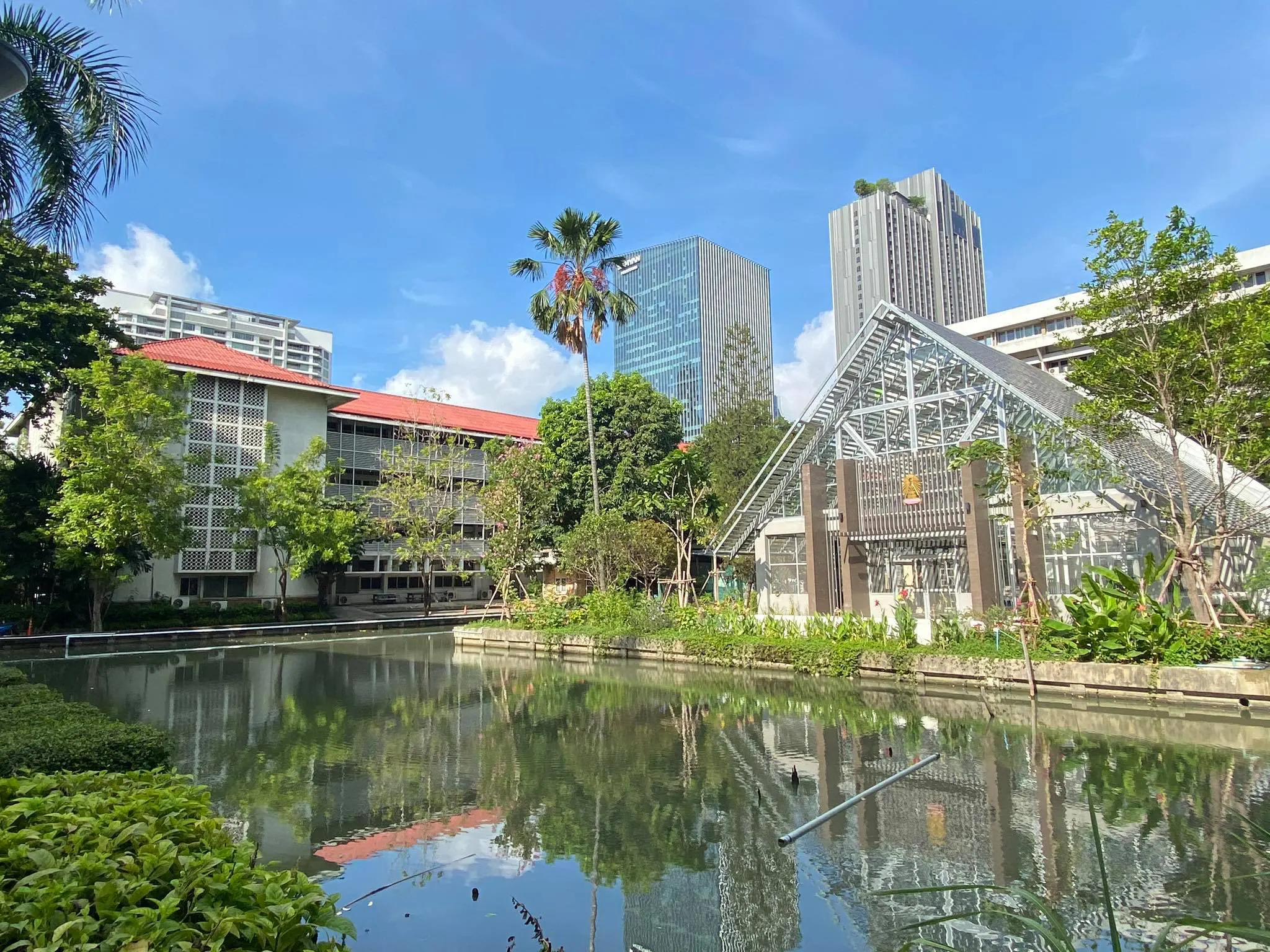
Nestled beside the Department of Botany, the Living Plant Museum is a modern greenhouse facility that functions as an open-air classroom and conservation space. It houses over 200 living plant species, organized into six themed zones: tropical rainforest, aquatic plants, xerophytes, gymnosperms, ferns, and angiosperm evolution. Visitors can observe rare and native Thai plant species growing in controlled conditions. The space promotes hands-on education, environmental awareness, and sustainability research. It also supports student projects, guided tours, and collaborations with local conservation programs.
🌿 Professor Kasin Suvatabhandhu Plant Museum
This herbarium-based museum is dedicated to the legacy of Professor Kasin Suvatabhandhu, a founding figure in Thai botany. Located in the Department of Botany, the museum holds over 50,000 meticulously preserved plant specimens collected over decades. These include flowering plants, ferns, mosses, and lichens from various parts of Thailand and neighboring regions. The museum is a valuable academic reference for plant taxonomy, ecological research, and biodiversity conservation. With its archival atmosphere and scientific depth, it continues to support botanical studies and regional flora documentation.
🪨 Geology Museum
The Geology Museum, located in the Geology Building, serves as an educational showcase of Earth's geological diversity. It displays a wide range of rocks, minerals, crystals, and fossils, along with informative panels explaining the Earth's structure, plate tectonics, and the geological history of Thailand and beyond. Special exhibits include fossilized tree trunks, ammonites, and fluorescent minerals under UV light. The museum provides resources for geology students and welcomes public visitors interested in understanding how the Earth has formed and changed over billions of years.
📷 Museum of Imagery Technology
Managed by the Department of Imaging and Printing Technology, this museum explores the fascinating evolution of imaging—from early analog photography to modern digital technologies. Visitors can discover a curated collection of vintage cameras, darkroom equipment, printing machines, and rare photographs. The exhibits explain how scientific principles of optics, chemistry, and light have influenced the way humans capture and reproduce images. As a hybrid of science, history, and art, the museum offers an immersive learning experience for those interested in visual technology and its cultural impact.